• Home
  • About
  • Contact
  • Privacy Policy
   
  • Home
  • About
  • Contact
  • Privacy Policy

Home

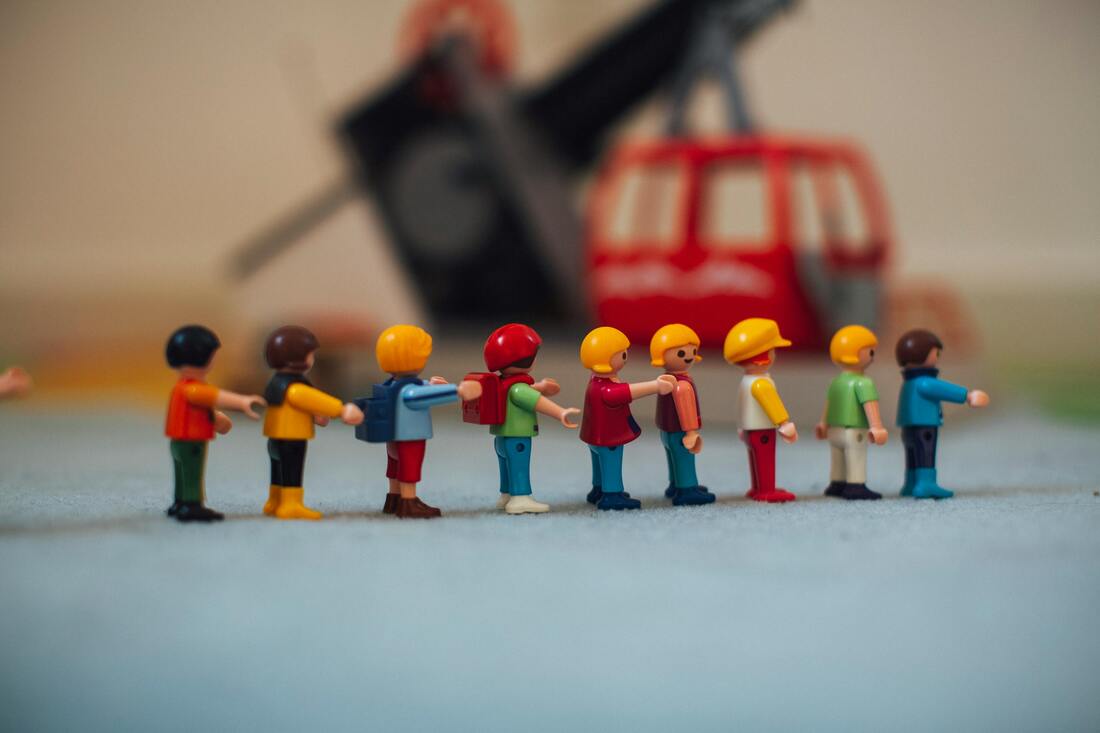
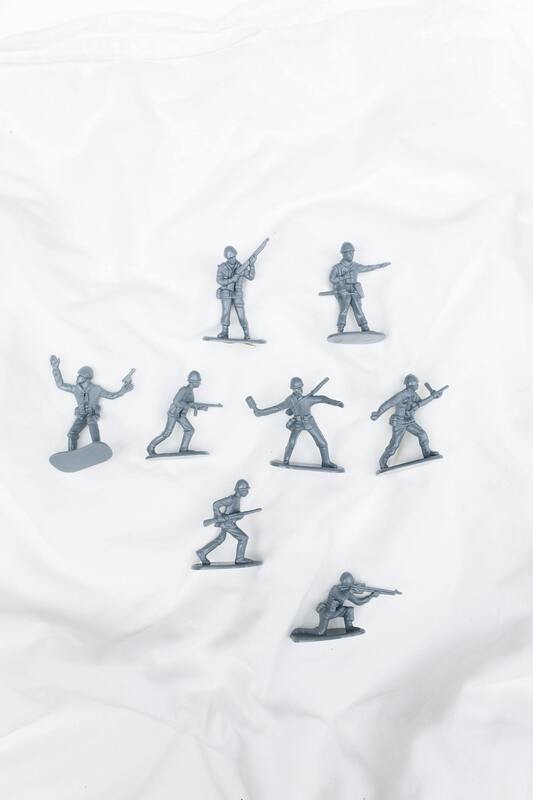
​Action figures are poseable character figurines, usually made of plastic, designed to represent fictional or real characters such as superheroes, soldiers, athletes, monsters, robots, or fantasy beings. They're typically marketed to children as toys but also to adults as collectibles.
🧱 Basic Components
  1. Material
    • Mostly plastic (PVC, ABS, etc.)
    • Some may include rubber, metal, or fabric parts
  2. Scale / Size
    • Common sizes:
      • 3.75 inches (about 9.5 cm)
      • 6 inches (about 15 cm)
      • 12 inches (about 30 cm)
    • Larger or smaller sizes exist for special purposes
  3. Articulation
    • Static (no joints)
    • Basic articulation (arms/legs/head move)
    • Super articulated (20+ points of movement)
    • Types of joints:
      • Swivel, ball-joint, hinge, butterfly, double-joint, etc.
  4. Accessories
    • Weapons, clothing, masks, stands, interchangeable heads/hands
    • Vehicles, diorama sets, or modular environments
🏗️ Types of Action Figures
  1. Standard Figures
    • Single characters with moderate articulation
  2. Deluxe Figures
    • Larger size, more accessories, higher detail
  3. Build-a-Figure (BAF)
    • Collect all figures in a line to assemble one large figure
  4. Statue-Like Figures
    • Limited movement, higher detail—more display than play
  5. Custom Figures
    • Handcrafted or modified figures made by hobbyists
  6. Transformable Figures
    • Characters that shift into alternate forms (robot to car, etc.)
  7. Hybrid/Soft Goods
    • Include real fabric clothing or removable armor
Picture
🛠️ Manufacturing Process
  1. Design
    • 2D concept art ➝ 3D digital modeling
  2. Sculpting
    • Digital or traditional sculpting to refine form
  3. Prototyping
    • Sample models produced for approval and adjustment
  4. Molding and Tooling
    • Steel molds created for mass production
  5. Production
    • Injection-molded parts, assembled and painted
  6. Packaging
    • Blister packs, window boxes, or collector-friendly boxes
Picture
🎨 Design Elements
  • Paint Apps
    • Precision painting for realism or stylization
  • Facial Likeness
    • Face scanning or digital printing used for accuracy
  • Texture & Detail
    • Armor, skin, clothing details molded in
📦 Collectibility
  1. Mint Condition
    • Unopened and undamaged packaging increases value
  2. Limited Editions
    • Small production runs, special packaging, exclusive features
  3. Chase Figures
    • Rare variants in normal sets
  4. Value Factors
    • Rarity, demand, age, condition, completeness
  5. Packaging Styles
    • Carded (blister), clamshell, window box, collector-friendly resealable boxes

​🧑‍🤝‍🧑 Who Buys Action Figures?
  • Children: Primarily for imaginative play
  • Collectors: Display, photography, and long-term value
  • Customizers: Artists who repaint or modify figures
  • Toy Photographers: Use figures in creative photos

📸 Action Figure Culture
  1. Dioramas & Displays
    • Set up figures in realistic or fantasy scenes
  2. Stop-Motion Animation
    • Used in creating fan films or animations
  3. Toy Photography
    • Artistic photos with props, lighting, and effects
  4. Online Communities
    • Forums, social media groups, conventions, marketplaces

🔧 Customization
  • Repainting
    • Changing colors or adding detail
  • Kitbashing
    • Combining parts from multiple figures
  • Sculpting/3D Printing
    • Creating original heads, weapons, or bodies

Picture
  • Home
  • About
  • Contact
  • Privacy Policy